
Shipping Costs Are Climbing Again: What It Means for Your Supply Chain Budget?
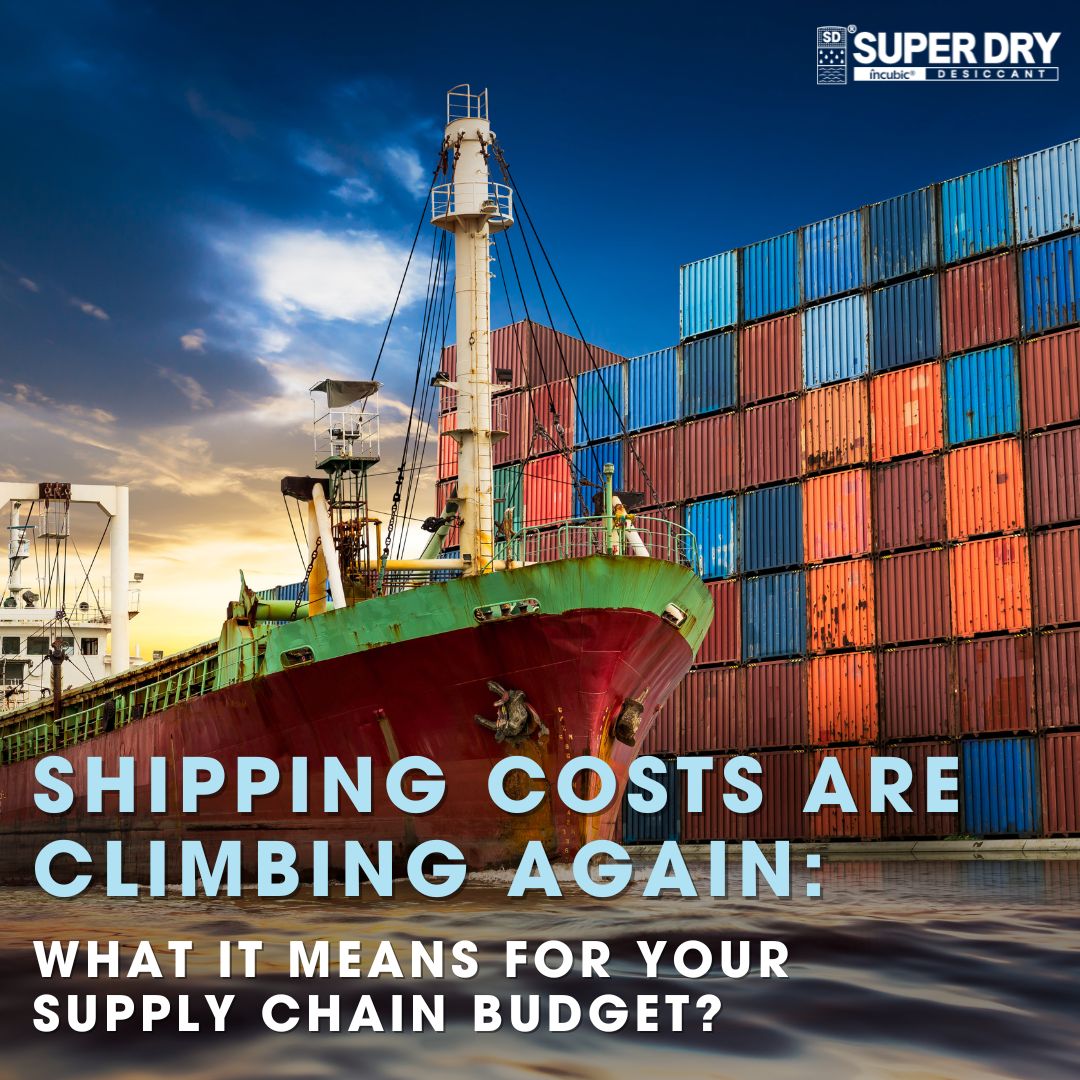
The first quarter of 2026 is sending a clear signal to anyone moving goods across oceans: logistics bills are rising fast, and the pressure is not easing.
Several of the world’s biggest retailers have confirmed what supply chain teams have been sensing for months. Walmart flagged elevated logistics expenses during its latest earnings call. Target and Amazon raised concerns about supply chain reliability and rising costs. Home Depot and Costco reported similar strain on imported goods. In the apparel space, brands like Columbia Sportswear and Levi Strauss announced upcoming price increases on seasonal collections, pointing directly to higher shipping and import costs.
The pattern is consistent across sectors. From electronics and home improvement products to clothing and groceries, the cost of moving goods from origin to shelf is climbing, and retailers are now passing those increases to consumers.
What’s Behind the Increase?
Multiple forces are converging. Ongoing instability in key maritime corridors has pushed carriers onto longer routes, with many vessels now adding two weeks or more per voyage by diverting around the southern tip of Africa. That extra time at sea means higher fuel consumption, tighter vessel availability, and rising surcharges.
At the same time, shifting trade policies and elevated tariff rates are stacking additional costs onto every container entering port. For importers, the combined weight of freight expenses and duties has fundamentally changed the economics of overseas sourcing. Policymakers are debating potential relief measures, but for now, businesses are absorbing the impact or adjusting prices.
The Numbers Tell the Story
The financial scale of these disruptions is significant. According to industry analysis, global companies projected a combined tariff-related financial impact of $21 to $23 billion in 2025, with an additional $15 billion expected for 2026. On the freight side, spot rates remain volatile. While overcapacity has pushed some lane rates down, surcharges, fuel costs, and insurance premiums tied to longer routing have kept total shipping expenses elevated.
For retailers operating on tight margins, even a small per-container cost increase multiplied across thousands of shipments adds up quickly. Analysts expect further pricing announcements throughout the current earnings season as more companies quantify the damage to their bottom lines.
Retailers Are Caught Between Cost and Customer Loyalty
The strategic tension is clear. Businesses need to recover rising logistics costs, but they also know that aggressive price hikes risk pushing budget-conscious consumers toward cheaper alternatives or reducing purchase frequency altogether.
Target executives have said that price increases are the very last lever they want to pull. Best Buy is negotiating with suppliers and diversifying its sourcing to manage the volatility, treating price hikes as a last resort. The general posture across the industry is to absorb as much cost internally as possible, but the math is becoming harder to make work.
Some companies are adjusting inventory strategies, pulling forward purchases to lock in current rates or trimming orders in categories where demand is softening. Others are exploring nearshoring, alternative sourcing regions, and efficiency gains across their distribution networks. But with policy uncertainty showing no signs of stabilizing, planning horizons have shortened dramatically.
When Every Shipment Costs More, Protecting It Becomes Non-Negotiable
When the landed cost of a container rises due to freight, fuel, and tariffs, the financial consequence of losing that cargo to damage rises with it. A rejected shipment of apparel, electronics, or leather goods doesn’t just mean a product loss. It means the total investment in sourcing, manufacturing, shipping, duties, and insurance is written off in one event.
And the risk is real. Longer voyages mean more days at sea, more temperature swings between climate zones, and more condensation forming inside sealed containers. This moisture, often called “container rain,” is one of the leading causes of mold, corrosion, and packaging failure during ocean freight.
SUPER DRY desiccants are purpose-built for these conditions. Made from calcium chloride and starch, they absorb up to 300% of their dry weight, remain active for up to 90 days, and perform reliably from -5°C to +90°C. In an environment where every container carries a heavier financial load than ever before, SUPER DRY is the simplest, most cost-effective way to make sure that investment arrives intact.
Shipping costs may be beyond your control, but cargo damage doesn’t have to be.
Learn more at superdryers.com