
Produk dan layanan

Dessicant dalam Kotak

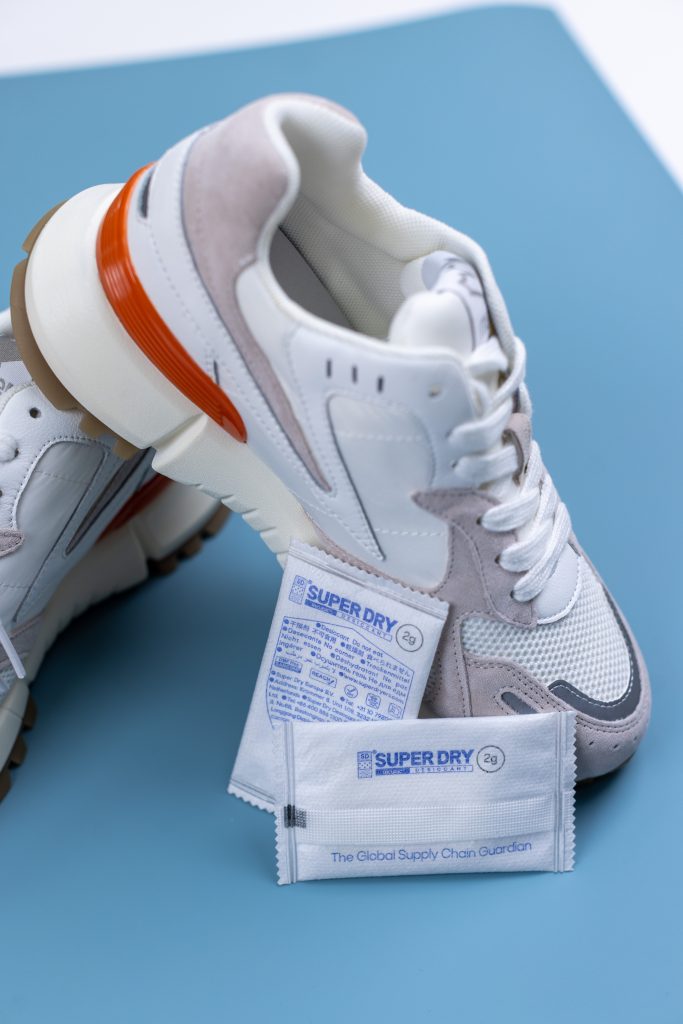
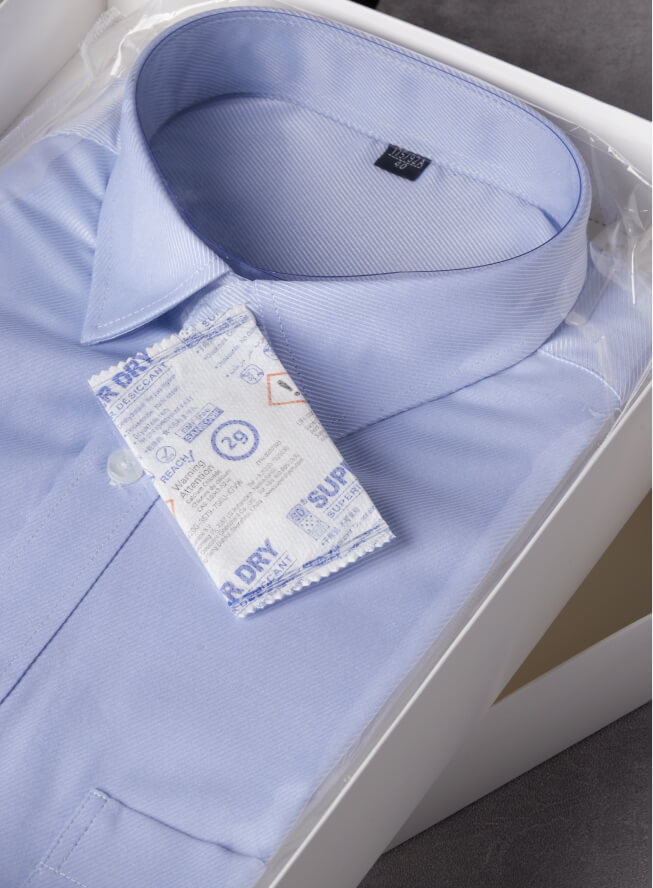
Desiccants In-Box SUPER DRY direkayasa untuk aplikasi dalam transportasi dan kemasan produk, seperti karton, kotak atau tas poli.

Desiccants In-Box diterapkan pada produk yang sendiri higroskopis, seperti garmen, kayu, dan barang-barang kulit, atau dengan kargo yang sensitif terhadap korosi. Pengering mengontrol kelembaban di dalam kemasan produk. Sumber kelembaban potensial adalah kelembaban yang dilepaskan dari barang itu sendiri, dari bahan kemasan, seperti kotak karton atau peti kayu atau kelembaban yang menyebar melalui bahan kemasan ke dalam kemasan bagian dalam. Ditempatkan bersama dengan barang, desiccants In-Box SUPER DRY menargetkan kelembaban berlebihan di dalam kemasan, memastikan bahwa barang anda tiba dalam kondisi sempurna.

Silika gel dan desikan tanah liat tidak memberikan tingkat perlindungan kelembaban yang diperlukan selama transportasi dan penyimpanan laut jangka panjang. Terutama digunakan karena keuntungan harga yang dirasakan pada basis berat, kedua jenis desikan, berat sama, menyerap hanya 10% dari kelembaban dibandingkan dengan dessicant SUPER DRY. Untuk mengimbangi adsorpsi kelembaban yang lebih rendah, diperlukan 10 kali lebih banyak silika gel atau tanah liat, terbukti lebih mahal dan secara teknis sulit diwujudkan di dalam ruang dalam kotak kecil dibandingkan dengan produk SUPER DRY.

Desiccants In-Box SUPER DRY adalah solusi unggulan untuk aplikasi desiccants di dalam karton, kotak, atau poly bag.

Produk Kami

Desiccants in-box SUPER DRY tersedia dalam kisaran dari 2g hingga 100g, untuk aplikasi dalam berbagai ukuran pengemasan:

SUPER DRY Clay Desiccant Features

SUPER DRY’s activated clay desiccant is crafted from pure natural montmorillonite and designed to meet international standards for moisture control. It offers a dependable, eco-friendly packaging solution with verified performance under DIN testing conditions.

Each clay desiccant pack is tested under the DIN benchmark of 23°C ±2 and 40% RH, with each 1-unit bag capable of absorbing more than 6 grams of moisture under these conditions. This makes it suitable for use across industrial, retail, and shipping applications where humidity control is essential.

The product line includes standard sizes, such as 1/6, 1/2, 1, and 2 units. Our clay desiccant bags are designed to accommodate diverse packaging needs, from electronics and polybags to larger boxes and cartons.

SUPER DRY’s clay desiccant packs are ideal for moderate humidity environments where consistent, passive drying is needed. They’re best suited for warehouse storage, routine freight, or container shipments not exposed to extreme humidity shifts.

Each clay desiccant bag is made from 100% natural montmorillonite clay, with FSC-certified Kraft paper used for the outer packaging. This makes the product fully biodegradable and plastic-free, ideal for businesses seeking sustainable packaging alternatives.

These activated clay desiccants are non-toxic and free of heavy metals, DMF, or harmful additives. They can be disposed of as regular waste or in accordance with local regulations — no special handling required.

Frequently Asked Questions About Clay Desiccant

Clay desiccant is used to control moisture in sealed packaging. It protects products from mold, rust, and other forms of degradation during shipping or storage.

Both have strengths: clay desiccant is cost-effective and eco-friendly, while silica gel performs better in high humidity. The right choice depends on your use case.

Generally, no. Unlike silica gel, clay desiccant packs lose their absorption capacity after saturation and are not typically reactivated.

It depends on humidity and packaging conditions. In sealed environments, clay desiccant bags can remain effective for several months.

Activated clay desiccant refers to clay that’s been thermally processed to increase its moisture-adsorbing capacity. It’s ready for immediate use in dry packaging applications.

This varies based on box size, material sensitivity, and environmental factors. A common rule is 1 unit (approx. 30g) per 1 cubic foot of space.