Clay Desiccant Packs

When it comes to product protection, even minor fluctuations in humidity can lead to corrosion, mold, and spoilage. That’s why many manufacturers and logistics teams rely on clay desiccant packs to safeguard their goods during transit and storage. SUPER DRY’s clay desiccant bags are a practical choice for businesses looking to reduce moisture-related risks without relying on chemicals or complicated systems. Lightweight, efficient, and eco-friendly, these packs support consistent product quality from warehouse to destination.

What Is Clay Desiccant?

Clay desiccant is a moisture-absorbing material made from naturally occurring montmorillonite or bentonite clay that has been thermally activated. It works by adsorbing water vapor into its internal structure without undergoing physical or chemical changes. Because it is non-toxic, biodegradable, and inexpensive to produce, activated clay desiccant is one of the most commonly used desiccants in commercial packaging. It’s ideal for protecting moisture-sensitive items, such as metal parts, electronics, pharmaceuticals, and food packaging.

How Clay Desiccant Works

Clay desiccant packs adsorb moisture through a physical process in which water molecules are trapped in the porous structure of the clay particles. The clay doesn’t swell or dissolve but simply holds moisture within its microscopic pores. These packs perform best in environments with moderate humidity (up to ~50% RH) and are effective across a temperature range of -20°C to +50°C. Once the clay is saturated, it no longer absorbs moisture, which is why proper sizing and quantity are key to effectiveness.

Applications of Clay Desiccant Bags

Clay desiccant bags are used across many industries to prevent corrosion, mold growth, spoilage, and other humidity-related issues. Their natural properties and cost-effectiveness make them ideal for:
  • Electronics Packaging: Protects sensitive circuits, displays, and battery components from moisture damage during storage and transit.
  • Pharmaceutical and Medical Equipment: Maintains low humidity inside sterile packaging to preserve shelf life and product efficacy.
  • Metal and Machinery Parts: Helps prevent rust, oxidation, and surface degradation in tools, automotive parts, and precision instruments.
  • Textile, Leather, and Footwear: Keeps garments, leather goods, and shoes dry and mildew-free during cross-border shipping.
  • Food and Nutritional Supplements: Controls residual moisture to help retain product texture, flavor, and stability in snacks, powders, and capsules.
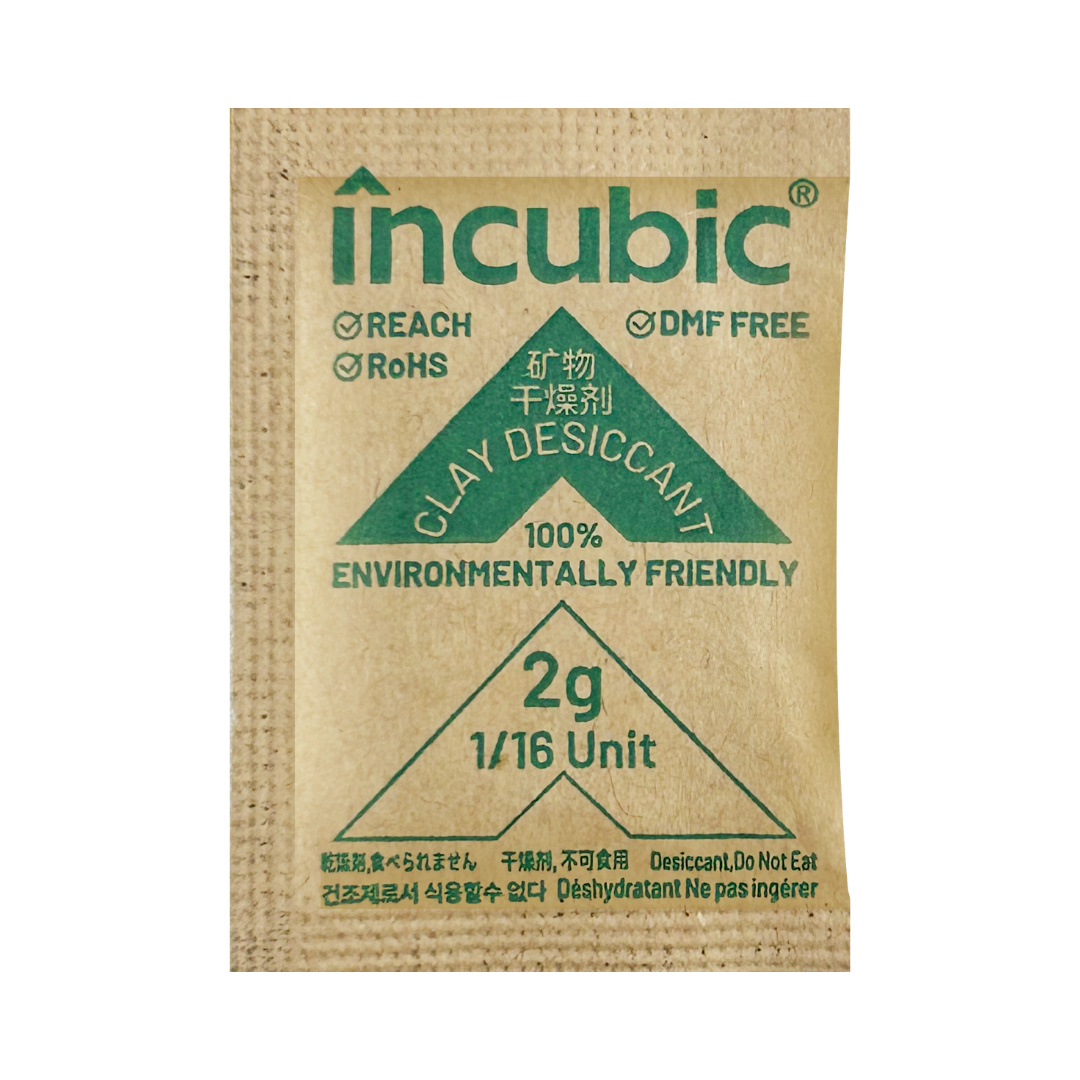
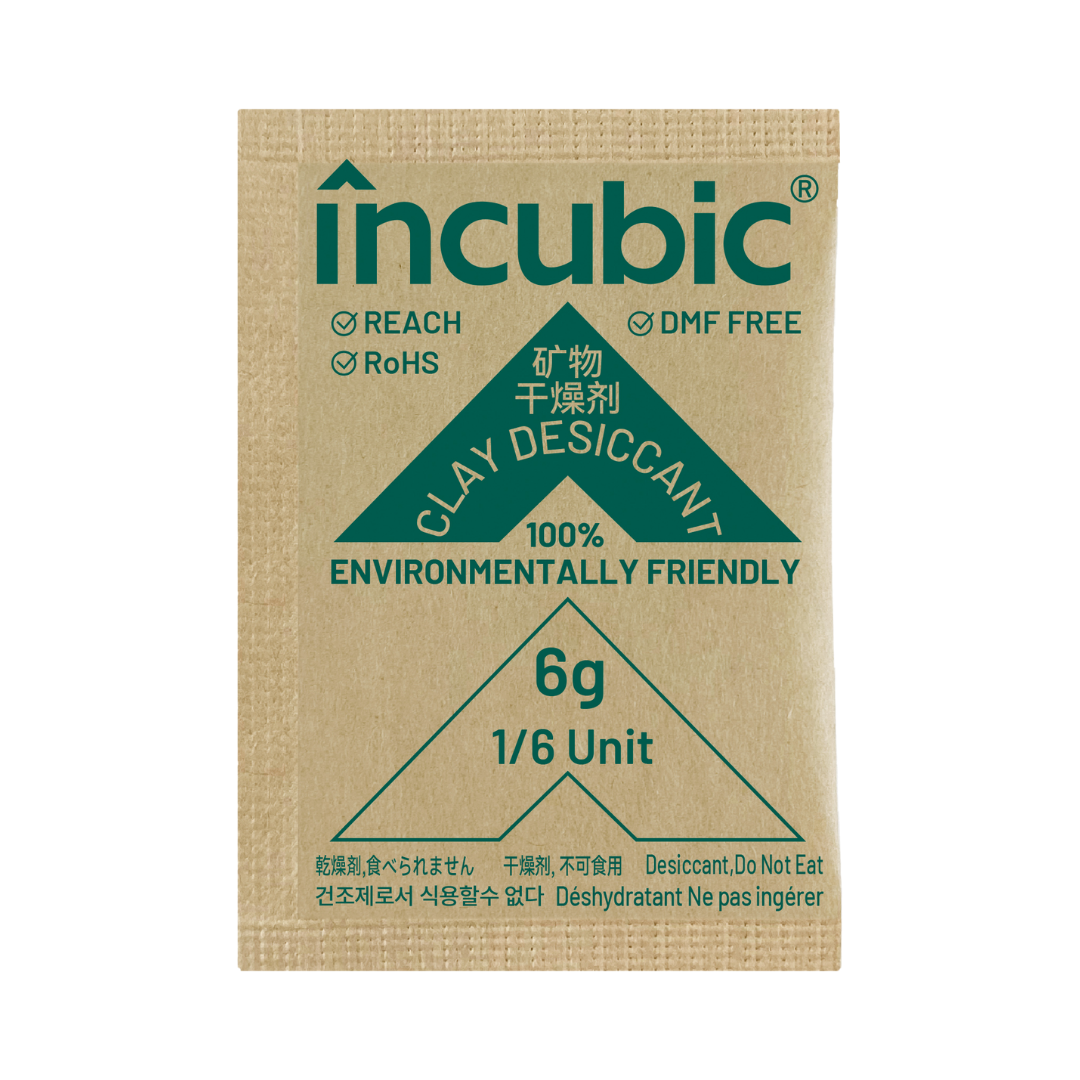
SUPER DRY Clay Desiccant Features

SUPER DRY’s activated clay desiccant is crafted from pure natural montmorillonite and designed to meet international standards for moisture control. It offers a dependable, eco-friendly packaging solution with verified performance under DIN testing conditions.

Verified DIN Standard Performance

Each clay desiccant pack is tested under the DIN benchmark of 23°C ±2 and 40% RH, with each 1-unit bag capable of absorbing more than 6 grams of moisture under these conditions. This makes it suitable for use across industrial, retail, and shipping applications where humidity control is essential.

Wide Range of Size Options

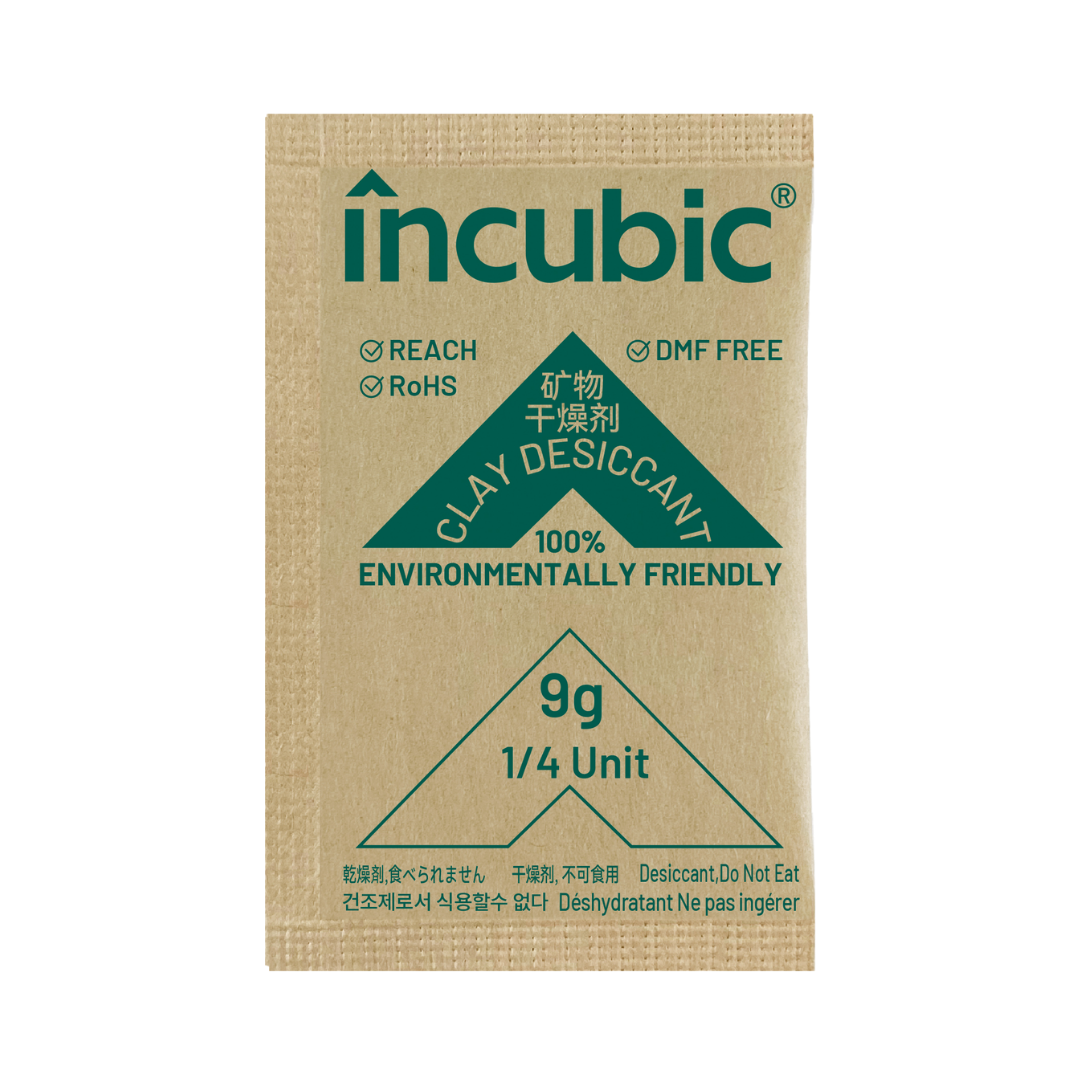
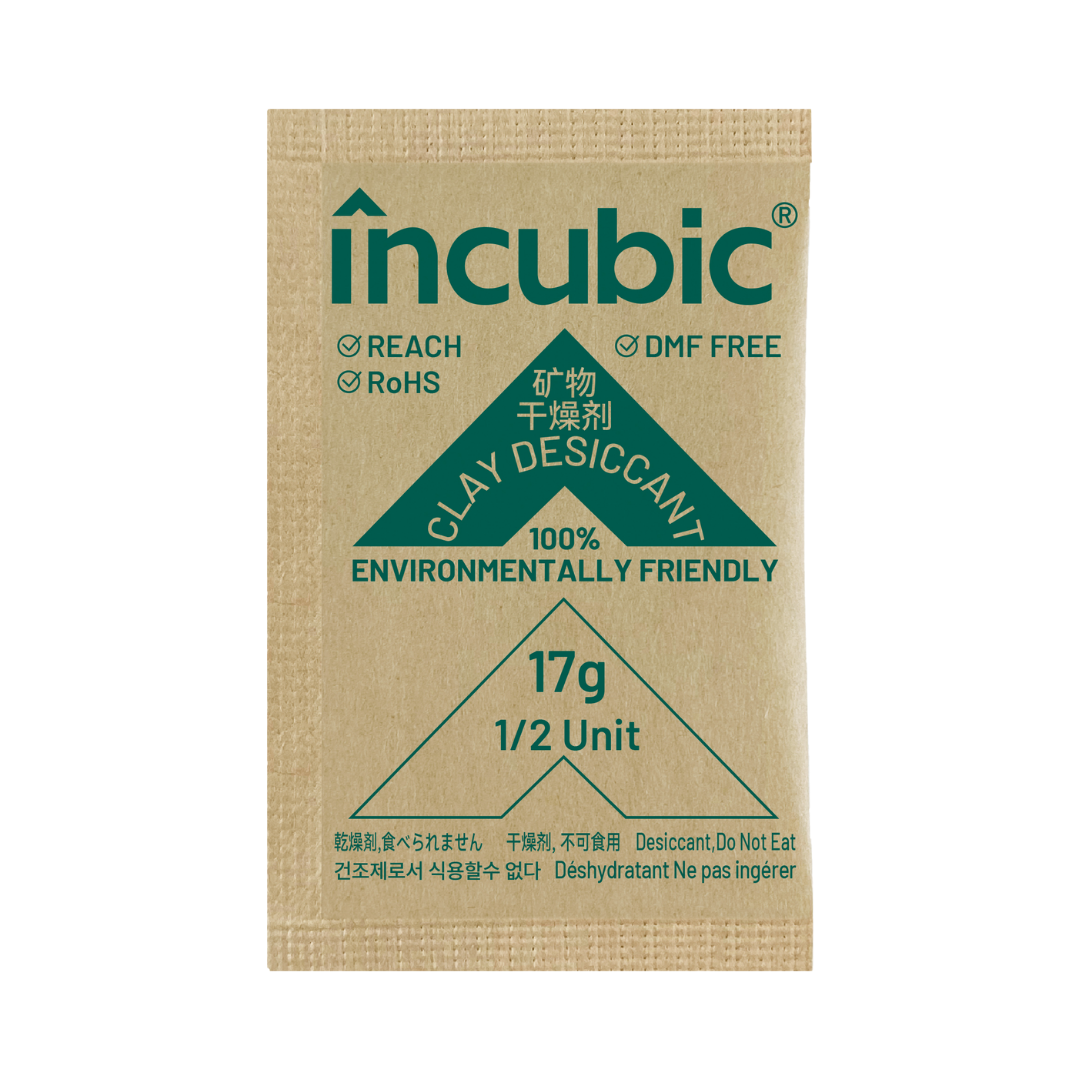
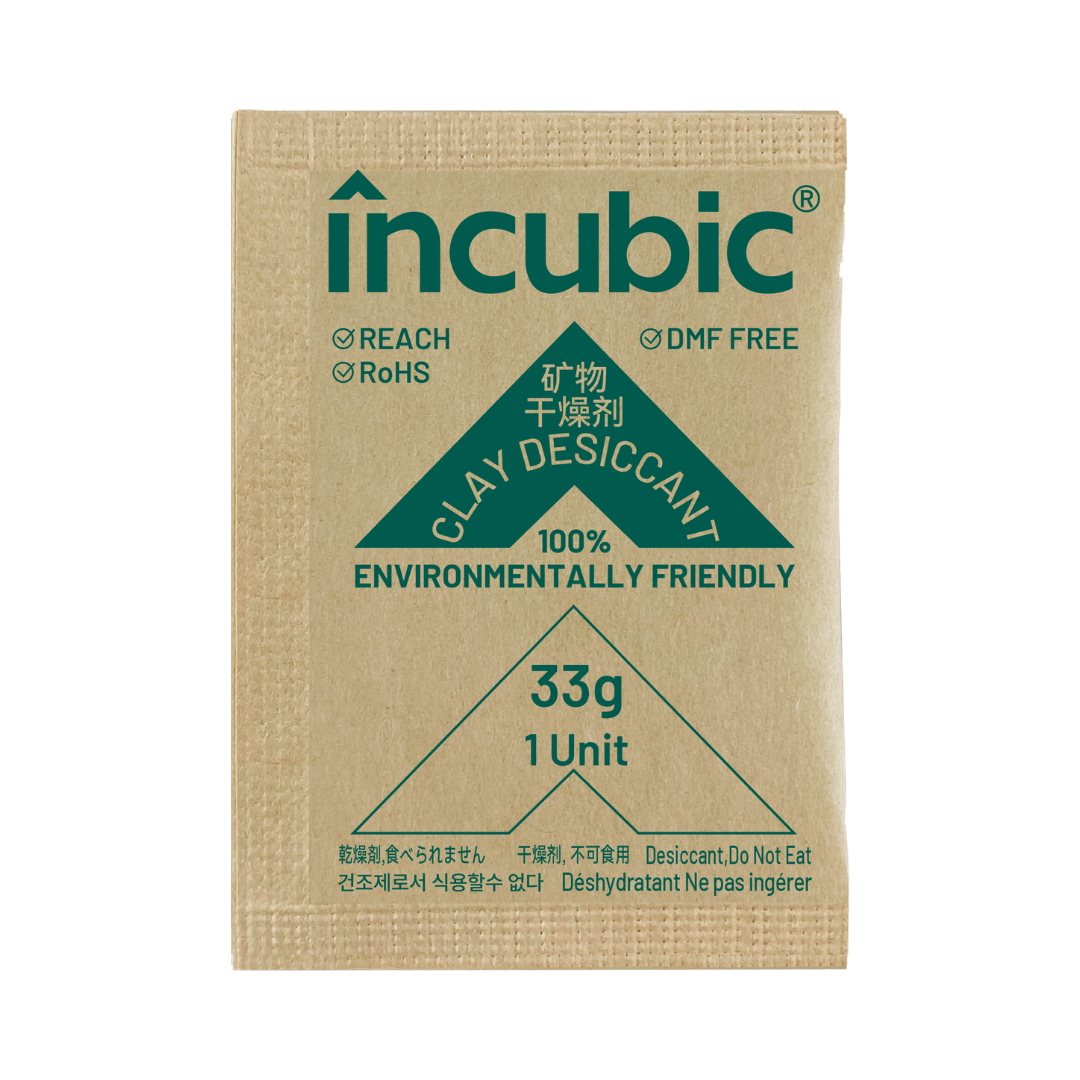
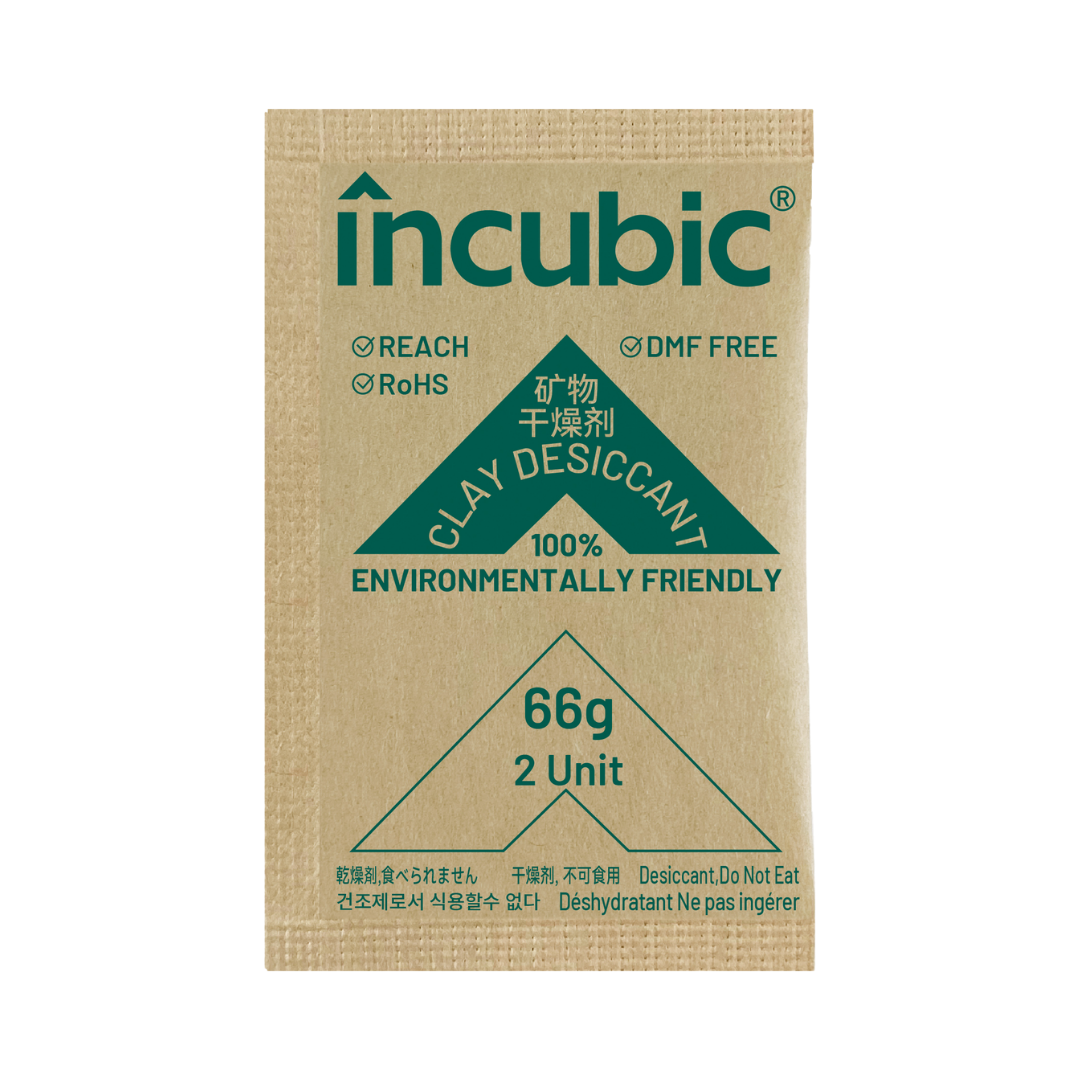
The product line includes standard sizes, such as 1/6, 1/2, 1, and 2 units. Our clay desiccant bags are designed to accommodate diverse packaging needs, from electronics and polybags to larger boxes and cartons.

Ideal for General Humidity Control

SUPER DRY’s clay desiccant packs are ideal for moderate humidity environments where consistent, passive drying is needed. They’re best suited for warehouse storage, routine freight, or container shipments not exposed to extreme humidity shifts.

Natural and Eco-Friendly Materials

Each clay desiccant bag is made from 100% natural montmorillonite clay, with FSC-certified Kraft paper used for the outer packaging. This makes the product fully biodegradable and plastic-free, ideal for businesses seeking sustainable packaging alternatives.

Simple and Safe Disposal

These activated clay desiccants are non-toxic and free of heavy metals, DMF, or harmful additives. They can be disposed of as regular waste or in accordance with local regulations — no special handling required.

Frequently Asked Questions About Clay Desiccant

What is clay desiccant used for?

Clay desiccant is used to control moisture in sealed packaging. It protects products from mold, rust, and other forms of degradation during shipping or storage.

Is clay desiccant better than silica gel?

Both have strengths: clay desiccant is cost-effective and eco-friendly, while silica gel performs better in high humidity. The right choice depends on your use case.

Is clay desiccant reusable?

Generally, no. Unlike silica gel, clay desiccant packs lose their absorption capacity after saturation and are not typically reactivated.

How long does clay desiccant last?

It depends on humidity and packaging conditions. In sealed environments, clay desiccant bags can remain effective for several months.

What is activated clay desiccant?

Activated clay desiccant refers to clay that’s been thermally processed to increase its moisture-adsorbing capacity. It’s ready for immediate use in dry packaging applications.

How many clay desiccant packs should I use per box/carton?

This varies based on box size, material sensitivity, and environmental factors. A common rule is 1 unit (approx. 30g) per 1 cubic foot of space.