
Enhancing Resilience in Global Coffee and Cocoa Supply Chains
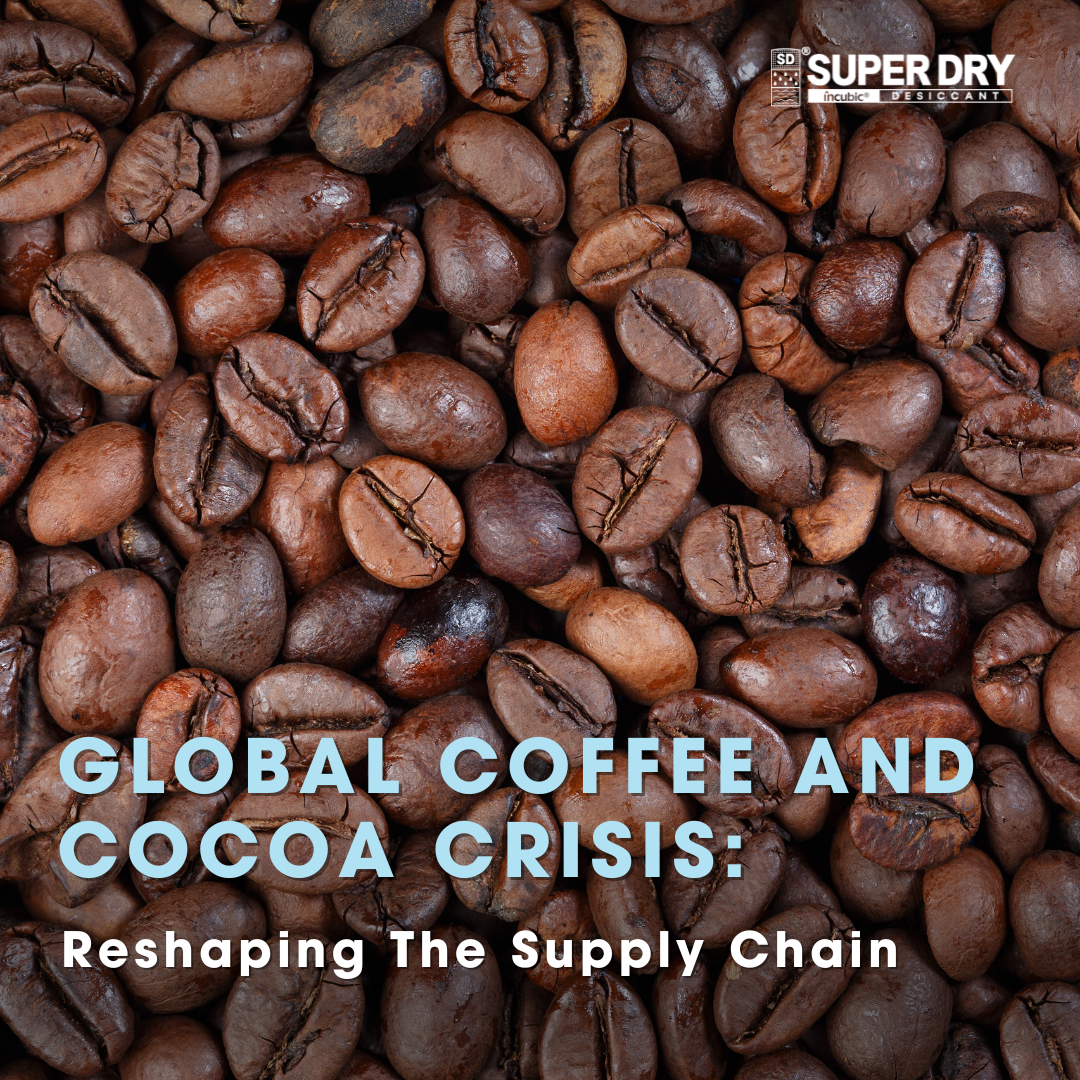
The global coffee and cocoa markets have seen considerable volatility in recent years. Weather challenges in major producing areas contributed to notable price movements during 2024 and 2025. As of early 2026 prices have moderated significantly from their peaks yet many companies continue to strengthen their sourcing storage and transportation practices.
Responding to Recent Supply Developments
Cocoa production faced difficulties in Côte d’Ivoire and Ghana the two countries that together account for around 60 percent of global output. Variations in rainfall and crop health affected harvests. In coffee Brazil experienced extended dry conditions while Vietnam saw some impact on Robusta output due to water availability.
These developments have led food and beverage companies to adopt more balanced approaches. Many are now combining efficient sourcing with greater flexibility such as maintaining additional inventory broadening supplier networks across regions and planning for longer holding periods where appropriate.
Reports from logistics providers have also highlighted how changing weather patterns influence trade routes and the handling of agricultural goods.
Managing Humidity in Extended Supply Chains
As goods spend more time in warehouses and during transit they encounter greater exposure to humidity and temperature variations. Condensation inside containers and packaging can raise moisture levels which requires careful attention for sensitive products.
Cocoa for instance must meet international export standards that limit moisture content typically to below 7.5 percent to help preserve quality and prevent issues during long journeys. Coffee and other items such as leather goods textiles electronics and agricultural products face comparable considerations.
Reliable moisture control has therefore become a practical element in supporting smoother operations across more varied logistics conditions.
Practical Solutions for Cargo Protection
Desiccant products designed for modern supply chains can assist in this area. Options like Super Dry use calcium chloride combined with a natural gelling agent in secure packaging. They absorb large amounts of moisture and convert it into a gel form helping to reduce leakage risks and protect cargo even under extended or less predictable conditions.
These solutions are suitable for use in cartons polybags or shipping containers providing companies with an additional tool to maintain product integrity throughout the journey.
For further information visit superdryers.com